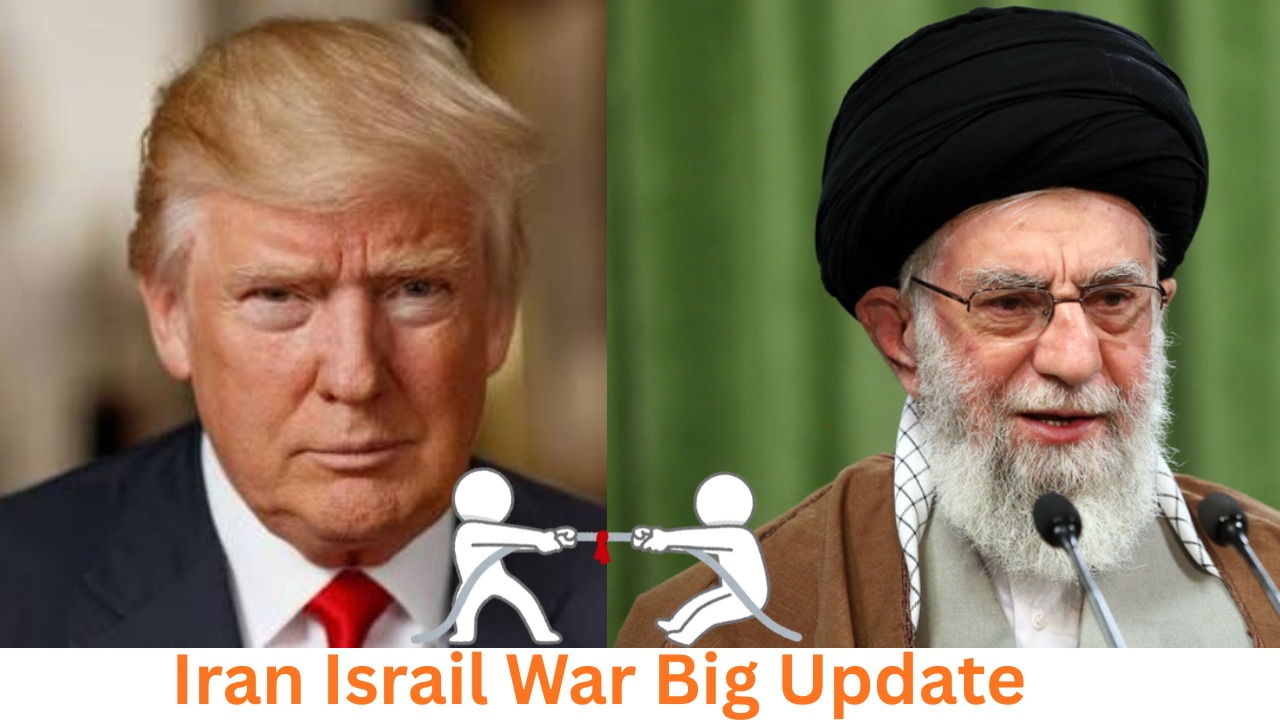
Iran-Israel War Update: Ek Faisla Jo Badal dega The ongoing Iran-Israel conflict has become one of the most significant geopolitical crises of recent years. What started as a series of military confrontations and retaliatory attacks has now evolved into a conflict with global implications. Governments, financial markets, and international organizations are closely watching every development because a single decision could reshape the future of the Middle East and influence the world economy.
Recent reports indicate that diplomatic efforts are intensifying as major powers attempt to prevent further escalation. A proposed ceasefire framework and negotiations regarding regional security have raised hopes that the conflict could move away from direct military confrontation.
Why the Iran-Israel Conflict Matters
Iran-Israel War Update: Ek Faisla Jo Badal dega Iran and Israel have been strategic rivals for decades. Their disagreements involve security concerns, regional influence, military alliances, and Iran’s nuclear program. Over the years, tensions have often been expressed through proxy conflicts and diplomatic disputes. However, the latest confrontation has brought the two nations closer to direct military engagement than ever before.
The conflict has affected not only the Middle East but also international trade routes, energy markets, and global diplomatic relations. Countries around the world are concerned because instability in the region can disrupt oil supplies and increase economic uncertainty.
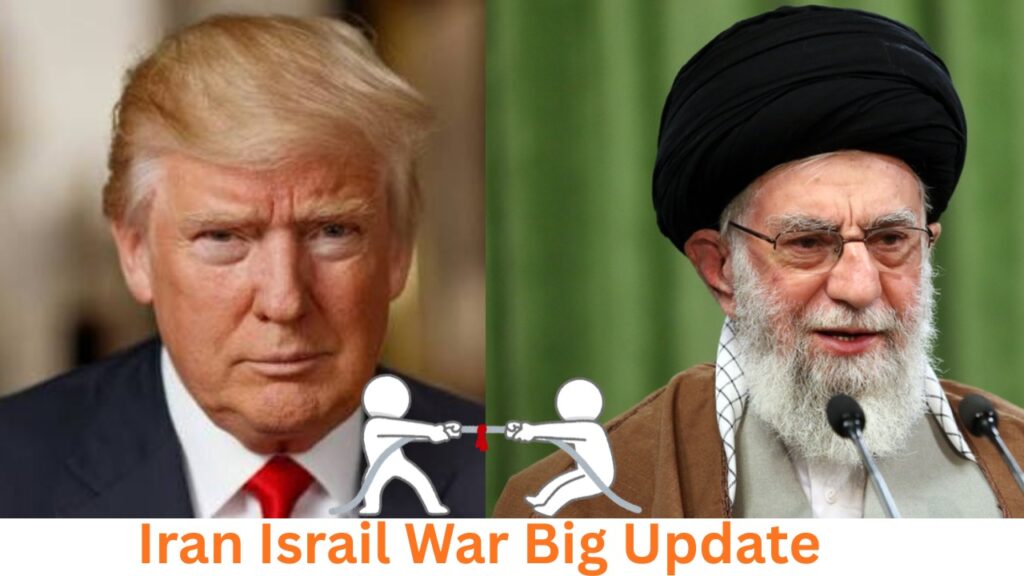
Iran-Israel War Update: Ek Faisla Jo Badal dega The Decision That Could Change Everything
The biggest development in recent days is the emergence of a ceasefire and negotiation framework involving the United States and Iran. According to reports, both sides have agreed to pursue a temporary halt in military operations while discussions continue on broader issues such as regional security, sanctions, and nuclear-related concerns.
This decision is being described by analysts as a potential turning point. If successful, it could reduce military tensions, reopen critical trade routes, and create opportunities for diplomatic engagement. However, many challenges remain unresolved, and several parties involved in the conflict continue to express concerns about the proposed arrangements.
Read more click here
Impact on Global Oil Markets
One of the most important aspects of the conflict is its impact on energy supplies. Iran-Israel War Update: Ek Faisla Jo Badal dega The ongoing Iran-Israel conflict has become one of the most significant geopolitical crises of recent years. What started as a series of military confrontations and retaliatory attacks has now evolved into a conflict with global implications. Governments, financial markets, and international organizations are closely watching every development because a single decision could reshape the future of the Middle East and influence the world economy.
Recent reports indicate that diplomatic efforts are intensifying as major powers attempt to prevent further escalation. A proposed ceasefire framework and negotiations regarding regional security have raised hopes that the conflict could move away from direct military confrontation.
Why the Iran-Israel Conflict Matters
Iran-Israel War Update: Ek Faisla Jo Badal dega Iran and Israel have been strategic rivals for decades. Their disagreements involve security concerns, regional influence, military alliances, and Iran’s nuclear program. Over the years, tensions have often been expressed through proxy conflicts and diplomatic disputes. However, the latest confrontation has brought the two nations closer to direct military engagement than ever before.
The conflict has affected not only the Middle East but also international trade routes, energy markets, and global diplomatic relations. Countries around the world are concerned because instability in the region can disrupt oil supplies and increase economic uncertainty.
Iran-Israel War Update: Ek Faisla Jo Badal dega The Decision That Could Change Everything
The biggest development in recent days is the emergence of a ceasefire and negotiation framework involving the United States and Iran. According to reports, both sides have agreed to pursue a temporary halt in military operations while discussions continue on broader issues such as regional security, sanctions, and nuclear-related concerns.
This decision is being described by analysts as a potential turning point. If successful, it could reduce military tensions, reopen critical trade routes, and create opportunities for diplomatic engagement. However, many challenges remain unresolved, and several parties involved in the conflict continue to express concerns about the proposed arrangements.
Read more click here
Impact on Global Oil Markets
One of the most important aspects of the conflict is its impact on energy supplies Any disruption in this area can lead to sharp increases in oil prices and affect economies across the globe.
Recent reports suggest that efforts to reopen shipping routes and reduce tensions have already influenced market sentiment. Oil prices reacted positively to news of diplomatic progress, highlighting how closely global markets are tied to developments in the Middle East.
For countries that rely heavily on imported energy, stability in the region remains essential. Businesses, investors, and policymakers are monitoring the situation carefully because future decisions could significantly impact inflation, transportation costs, and economic growth.
The Role of International Diplomacy
Diplomatic efforts have played a crucial role in preventing the conflict from escalating further. Several countries and international actors have encouraged dialogue and negotiation rather than continued military action.
Experts believe that diplomacy remains the most effective path toward long-term stability. While military operations can achieve short-term objectives, lasting peace generally requires agreements that address the underlying causes of conflict. Recent discussions indicate that negotiations may focus on security guarantees, economic cooperation, and confidence-building measures between regional powers.
Challenges Ahead
Iran-Israel War Update: Ek Faisla Jo Badal dega. Iran-Israel War Update: Ek Faisla Jo Badal dega. Despite positive developments, significant obstacles remain. Questions surrounding regional influence, missile programs, security arrangements, and nuclear activities continue to create tension between the involved parties.
Furthermore, not all regional stakeholders fully support the emerging diplomatic framework. Differences in priorities and security concerns could complicate efforts to achieve a lasting settlement. Analysts warn that even a temporary ceasefire does not automatically eliminate the risk of future confrontations.
The situation remains highly dynamic, and developments can change rapidly. Therefore, governments and international organizations are preparing for multiple possible outcomes.
Could This Change the Middle East Forever?
Iran-Israel War Update: Ek Faisla Jo Badal dega Many experts believe the current moment represents a historic crossroads for the region. If negotiations succeed, the Middle East could enter a period of reduced tensions and greater economic cooperation. Trade routes may become more secure, investment could increase, and diplomatic relations might improve.
Iran-Israel War Update: Ek Faisla Jo Badal dega On the other hand, if talks fail, the region could face renewed instability and prolonged uncertainty. Such an outcome would have consequences not only for the Middle East but also for global energy markets and international security.
This is why the current decision-making process is being watched so closely. Leaders understand that their choices today could shape regional politics for years to come.
Conclusion
The latest Iran-Israel war update highlights a critical moment in international relations. Diplomatic negotiations, ceasefire discussions, and efforts to stabilize the region have created a rare opportunity to reduce tensions and prevent further conflict. While challenges remain, the decisions made in the coming weeks could determine the future direction of the Middle East. Iran-Israel War Update: Ek Faisla Jo Badal dega
Iran-Israel War Update: Ek Faisla Jo Badal dega For now, the world continues to watch as leaders attempt to balance security concerns, political interests, and the desire for long-term stability. One thing is certain: the outcome of these negotiations could indeed be the decision that changes everythin . Any disruption in this area can lead to sharp increases in oil prices and affect economies across the globe.
Recent reports suggest that efforts to reopen shipping routes and reduce tensions have already influenced market sentiment. Oil prices reacted positively to news of diplomatic progress, highlighting how closely global markets are tied to developments in the Middle East.
For countries that rely heavily on imported energy, stability in the region remains essential. Businesses, investors, and policymakers are monitoring the situation carefully because future decisions could significantly impact inflation, transportation costs, and economic growth.
The Role of International Diplomacy
Diplomatic efforts have played a crucial role in preventing the conflict from escalating further. Several countries and international actors have encouraged dialogue and negotiation rather than continued military action.
Experts believe that diplomacy remains the most effective path toward long-term stability. While military operations can achieve short-term objectives, lasting peace generally requires agreements that address the underlying causes of conflict. Recent discussions indicate that negotiations may focus on security guarantees, economic cooperation, and confidence-building measures between regional powers.
Challenges Ahead
Iran-Israel War Update: Ek Faisla Jo Badal dega. Iran-Israel War Update: Ek Faisla Jo Badal dega. Despite positive developments, significant obstacles remain. Questions surrounding regional influence, missile programs, security arrangements, and nuclear activities continue to create tension between the involved parties.
Furthermore, not all regional stakeholders fully support the emerging diplomatic framework. Differences in priorities and security concerns could complicate efforts to achieve a lasting settlement. Analysts warn that even a temporary ceasefire does not automatically eliminate the risk of future confrontations.
The situation remains highly dynamic, and developments can change rapidly. Therefore, governments and international organizations are preparing for multiple possible outcomes.
Could This Change the Middle East Forever?
Iran-Israel War Update: Ek Faisla Jo Badal dega Many experts believe the current moment represents a historic crossroads for the region. If negotiations succeed, the Middle East could enter a period of reduced tensions and greater economic cooperation. Trade routes may become more secure, investment could increase, and diplomatic relations might improve.
Iran-Israel War Update: Ek Faisla Jo Badal dega On the other hand, if talks fail, the region could face renewed instability and prolonged uncertainty. Such an outcome would have consequences not only for the Middle East but also for global energy markets and international security.
This is why the current decision-making process is being watched so closely. Leaders understand that their choices today could shape regional politics for years to come.
Conclusion
The latest Iran-Israel war update highlights a critical moment in international relations. Diplomatic negotiations, ceasefire discussions, and efforts to stabilize the region have created a rare opportunity to reduce tensions and prevent further conflict. While challenges remain, the decisions made in the coming weeks could determine the future direction of the Middle East. Iran-Israel War Update: Ek Faisla Jo Badal dega
Iran-Israel War Update: Ek Faisla Jo Badal dega For now, the world continues to watch as leaders attempt to balance security concerns, political interests, and the desire for long-term stability. One thing is certain: the outcome of these negotiations could indeed be the decision that changes everything.
Iran-Israel War Update: Ek Faisla Jo Badal dega The ongoing Iran-Israel conflict has become one of the most significant geopolitical crises of recent years. What started as a series of military confrontations and retaliatory attacks has now evolved into a conflict with global implications. Governments, financial markets, and international organizations are closely watching every development because a single decision could reshape the future of the Middle East and influence the world economy.
Recent reports indicate that diplomatic efforts are intensifying as major powers attempt to prevent further escalation. A proposed ceasefire framework and negotiations regarding regional security have raised hopes that the conflict could move away from direct military confrontation.
Why the Iran-Israel Conflict Matters
Iran-Israel War Update: Ek Faisla Jo Badal dega Iran and Israel have been strategic rivals for decades. Their disagreements involve security concerns, regional influence, military alliances, and Iran’s nuclear program. Over the years, tensions have often been expressed through proxy conflicts and diplomatic disputes. However, the latest confrontation has brought the two nations closer to direct military engagement than ever before.
The conflict has affected not only the Middle East but also international trade routes, energy markets, and global diplomatic relations. Countries around the world are concerned because instability in the region can disrupt oil supplies and increase economic uncertainty.
Iran-Israel War Update: Ek Faisla Jo Badal dega The Decision That Could Change Everything
The biggest development in recent days is the emergence of a ceasefire and negotiation framework involving the United States and Iran. According to reports, both sides have agreed to pursue a temporary halt in military operations while discussions continue on broader issues such as regional security, sanctions, and nuclear-related concerns.
This decision is being described by analysts as a potential turning point. If successful, it could reduce military tensions, reopen critical trade routes, and create opportunities for diplomatic engagement. However, many challenges remain unresolved, and several parties involved in the conflict continue to express concerns about the proposed arrangements.
Read more click here
Impact on Global Oil Markets
One of the most important aspects of the conflict is its impact on energy supplies. . Any disruption in this area can lead to sharp increases in oil prices and affect economies across the globe.
Recent reports suggest that efforts to reopen shipping routes and reduce tensions have already influenced market sentiment. Oil prices reacted positively to news of diplomatic progress, highlighting how closely global markets are tied to developments in the Middle East.
For countries that rely heavily on imported energy, stability in the region remains essential. Businesses, investors, and policymakers are monitoring the situation carefully because future decisions could significantly impact inflation, transportation costs, and economic growth.
The Role of International Diplomacy
Diplomatic efforts have played a crucial role in preventing the conflict from escalating further. Several countries and international actors have encouraged dialogue and negotiation rather than continued military action.
Experts believe that diplomacy remains the most effective path toward long-term stability. While military operations can achieve short-term objectives, lasting peace generally requires agreements that address the underlying causes of conflict. Recent discussions indicate that negotiations may focus on security guarantees, economic cooperation, and confidence-building measures between regional powers.
Challenges Ahead
Iran-Israel War Update: Ek Faisla Jo Badal dega. Iran-Israel War Update: Ek Faisla Jo Badal dega. Despite positive developments, significant obstacles remain. Questions surrounding regional influence, missile programs, security arrangements, and nuclear activities continue to create tension between the involved parties.
Furthermore, not all regional stakeholders fully support the emerging diplomatic framework. Differences in priorities and security concerns could complicate efforts to achieve a lasting settlement. Analysts warn that even a temporary ceasefire does not automatically eliminate the risk of future confrontations.
The situation remains highly dynamic, and developments can change rapidly. Therefore, governments and international organizations are preparing for multiple possible outcomes.
Could This Change the Middle East Forever?
Iran-Israel War Update: Ek Faisla Jo Badal dega Many experts believe the current moment represents a historic crossroads for the region. If negotiations succeed, the Middle East could enter a period of reduced tensions and greater economic cooperation. Trade routes may become more secure, investment could increase, and diplomatic relations might improve.
Iran-Israel War Update: Ek Faisla Jo Badal dega On the other hand, if talks fail, the region could face renewed instability and prolonged uncertainty. Such an outcome would have consequences not only for the Middle East but also for global energy markets and international security.
This is why the current decision-making process is being watched so closely. Leaders understand that their choices today could shape regional politics for years to come.
Conclusion
The latest Iran-Israel war update highlights a critical moment in international relations. Diplomatic negotiations, ceasefire discussions, and efforts to stabilize the region have created a rare opportunity to reduce tensions and prevent further conflict. While challenges remain, the decisions made in the coming weeks could determine the future direction of the Middle East. Iran-Israel War Update: Ek Faisla Jo Badal dega
Iran-Israel War Update: Ek Faisla Jo Badal dega For now, the world continues to watch as leaders attempt to balance security concerns, political interests, and the desire for long-term stability. One thing is certain: the outcome of these negotiations could indeed be the decision that changes everything.